Science fair coming up? Want to impress your teachers and save the planet at the same time? Time to ditch the old-school watering can and upgrade to something a little more… IoT chic. Welcome to your complete, step-by-step guide to building a DIY smart irrigation system—a perfect STEM irrigation project for students that’s part science, part tech, and all awesome.
Whether you’re a budding engineer, a plant whisperer, or just someone tired of being guilt-tripped by your thirsty tomato plants, this guide’s for you.
What Is a Smart Irrigation System, Anyway?
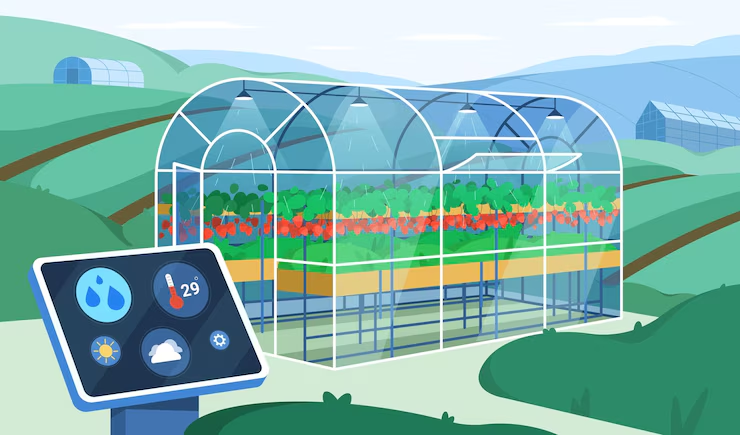
Imagine if your garden could water itself—only when it needs to, not just whenever you remember. That’s the magic of an IoT irrigation system. It uses sensors, a microcontroller, and a little programming fairy dust to monitor soil moisture and control water flow. It’s the future of farming—shrunken down for your school science project.
This is not your grandpa’s sprinkler system.
What You’ll Need (a.k.a. Your Secret Weapon Arsenal)
Let’s get our hands dirty (but like, electronically):
- Arduino or Raspberry Pi (these are the best microcontrollers for irrigation projects)
- Soil moisture sensors (we’ll get to the best ones below)
- Relay module or water pump (yes, you get to control actual water)
- Jumper wires (aka colorful spaghetti)
- A breadboard (not for sandwiches)
- Tubing (to channel your inner plumbing genius)
- Power source (batteries or USB)
- Wi-Fi module (ESP8266, if you want remote control)
- Plants that won’t sue you if things go wrong

This is your IoT irrigation system for beginners, so don’t stress—you won’t need a PhD in Rocket Gardening.
How to Build an IoT-Based Smart Irrigation Project – Step-by-Step
- Set up your microcontroller
Plug your Arduino into your computer like it’s a fancy USB stick from the future. - Connect the soil moisture sensor
These little guys tell your system when the soil’s dry. Think of them as dirt whisperers. - Add the water pump
Hook it up via the relay so your Arduino can say, “Hey, time to water!” and actually do it. - Write the code
Program your system using Arduino IDE. It’s like teaching your robot to care for plants. Very wholesome. - Test it
Stick your sensor in a dry pot, and watch your DIY irrigation system spring into action like a mini superhero. - Bonus: Go wireless
Want to monitor your garden from your phone? Add a Wi-Fi module and build a basic dashboard. Welcome to smart garden automation for schools.
This is the essence of a smart irrigation science fair project. High-tech, eco-friendly, and with just enough wires to impress judges.
The Best Sensors for Smart Irrigation School Projects
Let’s talk gadgets. Sensors are like the sense organs of your irrigation system. Without them, your project’s just a very confused water pump.
Best Soil Moisture Sensors for Students

- YL-69 or FC-28: Affordable, easy to use, perfect for school STEM projects
- Capacitive soil moisture sensors: Slightly more advanced, more durable (they don’t rust like your hopes in a rainy season)
YL-69
Add Some Flair with Environmental Sensors:
- DHT11 or DHT22: Combos for temperature and humidity monitoring
- BMP180: For air pressure nerds (yes, it’s useful too)
- Rain sensors: Because watering during a storm is… embarrassing
Use these in your IoT-enabled school garden project to monitor more than just soil. Weather, humidity, plant mood swings—you name it.
Why This Project Totally Rules
- Promotes water conservation (hello, eco hero!)
- Teaches real-world IoT applications
- Helps students learn coding, circuitry, and how to debug without crying
- It’s one of the coolest IoT-based school science projects out there
- You can call yourself a “smart irrigation innovator” and nobody can stop you
Bonus Ideas for Extra Credit
- Build a mobile app to control your irrigation system remotely.
- Use AI to predict watering needs. (Yes, seriously.)
- Install a solar panel to power it. You’ve just made it sustainable AND fancy.
Final Thoughts: From Garden Noob to Smart Irrigation Guru
Building an automatic watering system for plants is the perfect blend of science, tech, and a pinch of “look what I made!” It’s hands-on, fun, and solves a real problem—plus, it’s ideal for your next school science experiment on water conservation.
So whether you’re aiming to win the science fair or just want your basil to stop looking at you with disappointment, this project is your ticket.
Welcome to the future of gardening.
